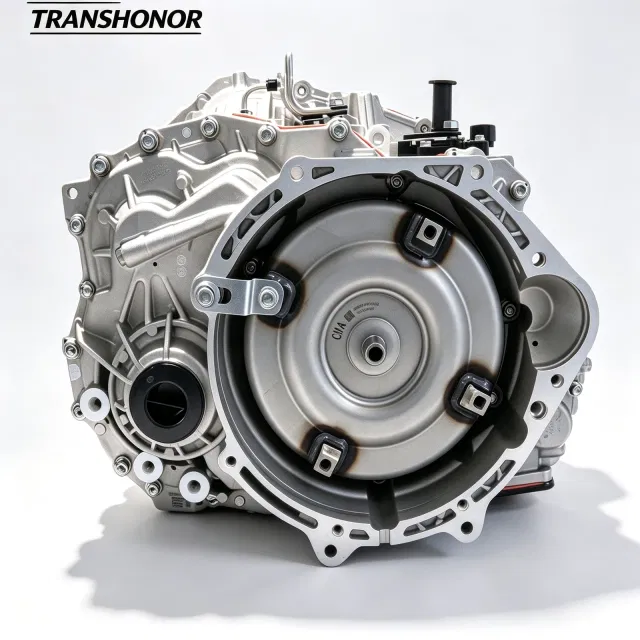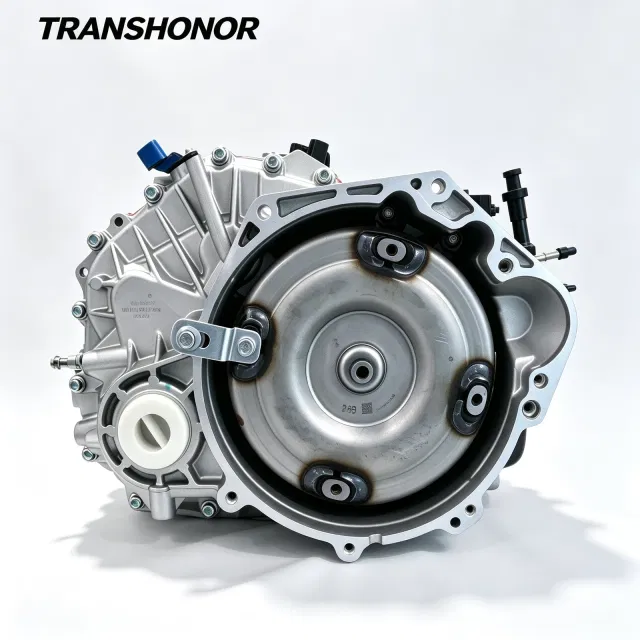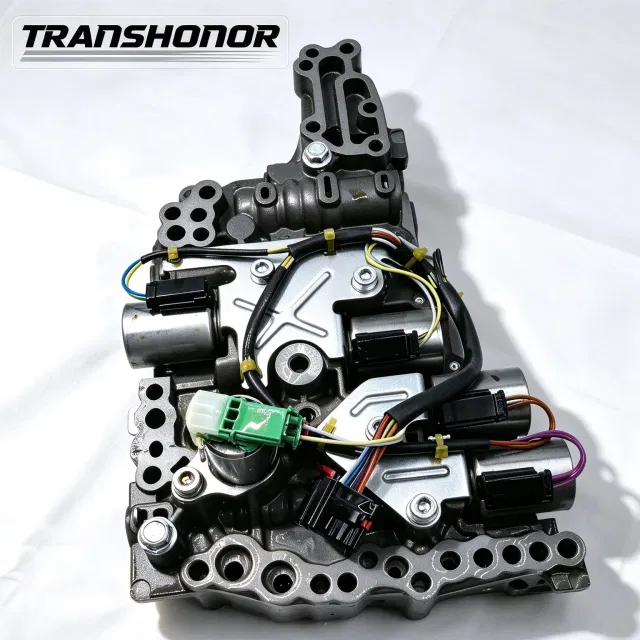
Product Description
 The QR019CHA clutch is a component within a CVT transmission responsible for power transmission; it works in conjunction with the transmission's hydraulic control system to engage and disengage power, thereby influencing the transmission's overall performance.
It is suitable for the repair and refurbishment of the new-model QR019CHA CVT transmission, as well as for the replacement of its clutch assembly
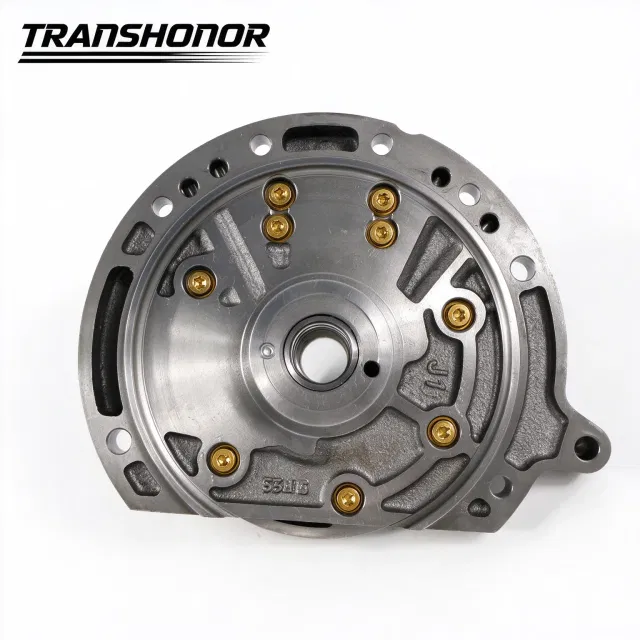
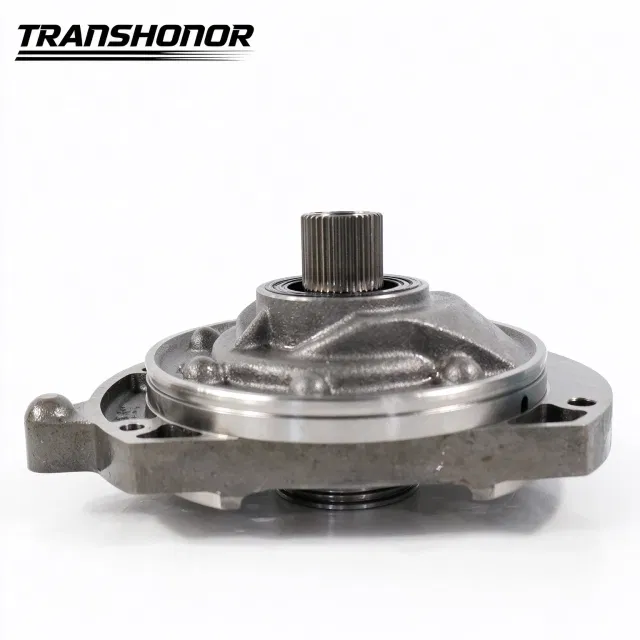
Product Details
Product highlights
Designed for the new QR019CHA CVT transmission Used for power transmission within the transmission unit Works in conjunction with the hydraulic control system to facilitate engagement and disengagement Suitable for transmission repair and overhauling Available for bulk purchase and export supply
Designed for the new QR019CHA CVT transmission Used for power transmission within the transmission unit Works in conjunction with the hydraulic control system to facilitate engagement and disengagement Suitable for transmission repair and overhauling Available for bulk purchase and export supply
Common Repairs and Fault Scenarios
After prolonged operation, the clutch assembly may experience issues affecting power transmission due to frictional wear, abnormal hydraulic pressure, or damage to internal components.
Typical inspection points include:
Wear or scorching of clutch friction components
Abnormal clutch engagement or disengagement
Insufficient or unstable hydraulic pressure
Slippage during power transmission
Drivetrain irregularities during vehicle start-up or acceleration
Unusual noises from the transmission or the appearance of fault warnings
The aforementioned issues may also stem from the valve body, oil pump, control system, or other internal components; therefore, a thorough diagnostic assessment is required to confirm the root cause.
Installation and Maintenance Recommendations
Verify the version and product number of the new transmission unit prior to installation.
Compare the new and old clutch assemblies in terms of physical appearance, dimensions, and interface connections.
Inspect the associated friction discs, steel plates, and sealing components.
Examine the hydraulic fluid circuits and related control components.
Perform assembly in strict accordance with the relevant repair specifications.
Following installation, verify the engagement status and the operational performance of the transmission.