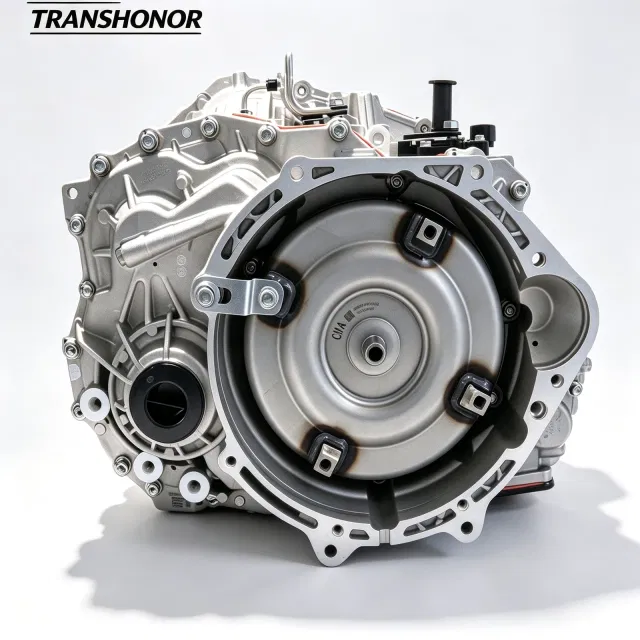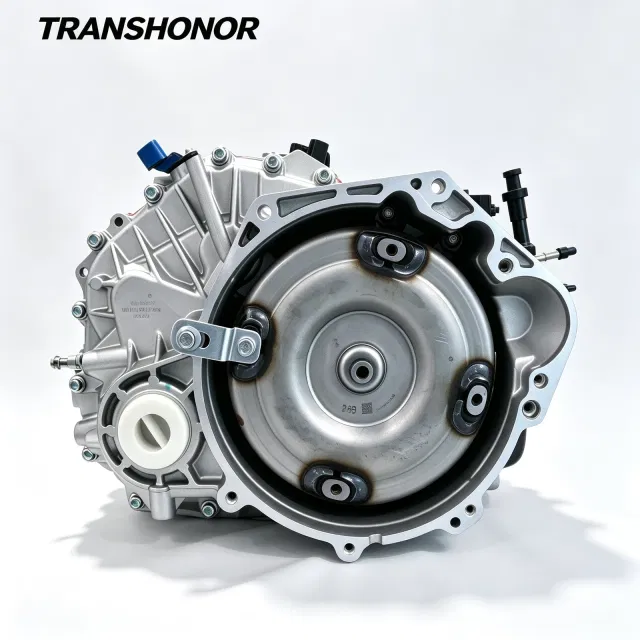
Product Description
 The valve body for the QR025 CVT (Continuously Variable Transmission) is a critical component of the transmission's hydraulic control system. It utilizes internal oil passages, solenoid valves, and control valves to regulate the flow and pressure of hydraulic fluid, thereby managing the operation of the transmission's clutches and pulley system to ensure smooth power delivery and seamless gear ratio adjustments.
Suitable for the repair, diagnostic testing, and remanufacturing of QR025 CVT transmissions.
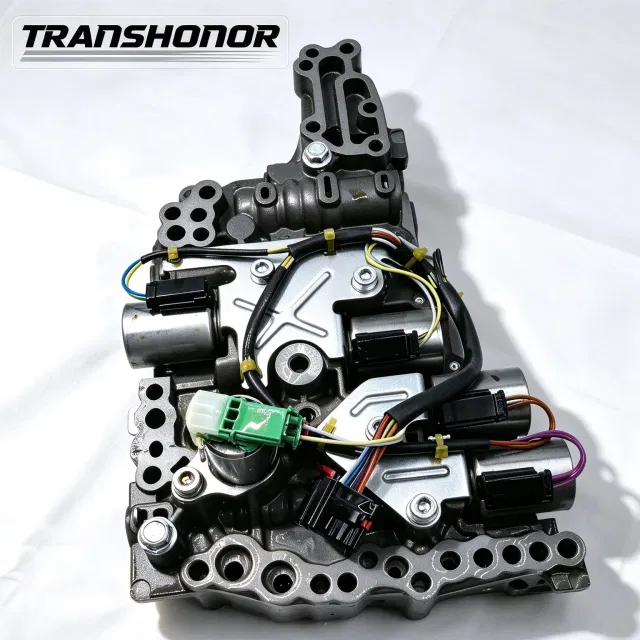
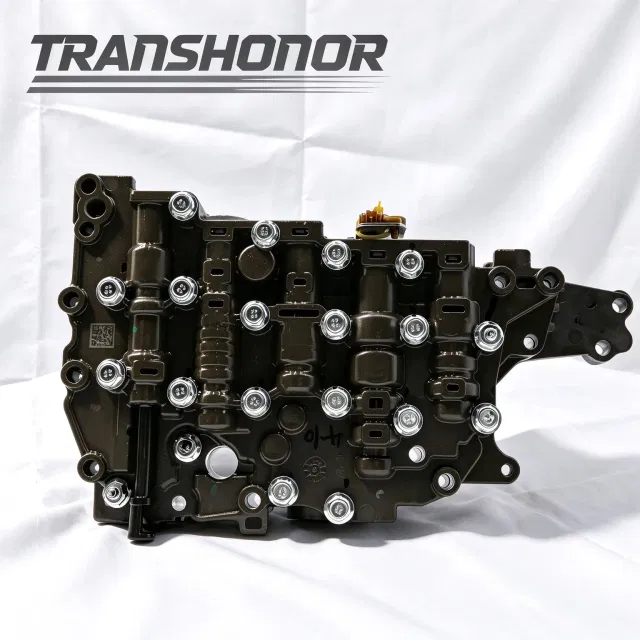
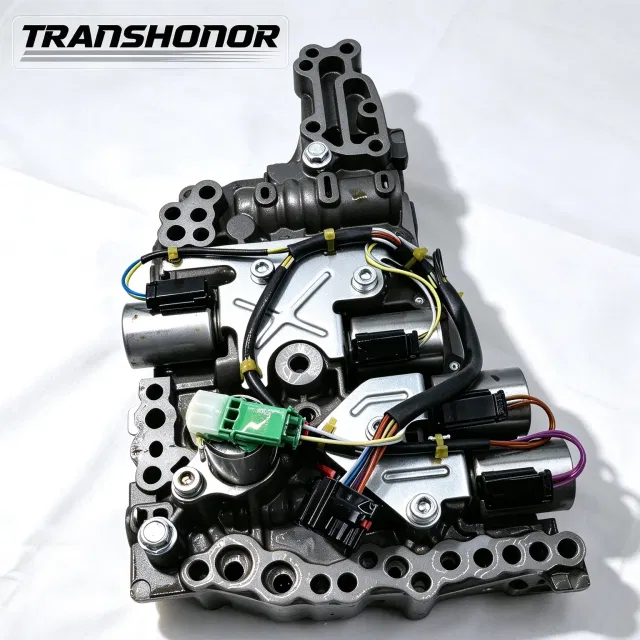
Product Details
Product highlights
Suitable for the repair of QR025 CVT transmissions. Responsible for the distribution of hydraulic fluid within the transmission. Involved in the hydraulic pressure control of the clutch and conical pulleys (variator sheaves). Influences CVT gear ratio adjustment and shifting performance. Ideal for procurement by repair shops, remanufacturing facilities, and wholesalers.
Suitable for the repair of QR025 CVT transmissions. Responsible for the distribution of hydraulic fluid within the transmission. Involved in the hydraulic pressure control of the clutch and conical pulleys (variator sheaves). Influences CVT gear ratio adjustment and shifting performance. Ideal for procurement by repair shops, remanufacturing facilities, and wholesalers.
Common Repairs and Fault Scenarios
After prolonged operation, the valve body may develop the following issues:
Valve spool wear or sticking, which impairs the control of the hydraulic circuit.
Wear within the internal hydraulic passages, leading to abnormal hydraulic pressure.
Malfunctioning solenoid valves, which affect hydraulic pressure regulation.
Poor sealing, potentially causing internal pressure loss.
Abnormal hydraulic control, which may result in sluggish acceleration, transmission slippage, or jerky vehicle operation.
Irregular CVT gear ratio control, which can lead to unstable transmission response.
During repairs, the decision to replace the unit should be based on a combination of diagnostic trouble codes (DTCs), hydraulic pressure test results, and a physical inspection of the valve body.
VI. Installation and Maintenance Recommendations
Inspect the surface and internal hydraulic passages of the valve body prior to installation.
Check the valve spools for signs of wear or sticking.
Inspect the solenoid valves and their associated wiring harness connections.
Clean the hydraulic circuit to prevent debris from entering the valve body.
Check the valve body seals and mounting surfaces.
Use CVT-specific fluid that meets the requirements for the QR025 transmission.
After installation, perform a hydraulic pressure test and carry out any necessary system calibration/matching.