Product Description
 The U540 2878156-GJ clutch drum is a critical transmission component within an automatic gearbox. It serves as a housing for the clutch assembly, working in conjunction with friction plates, steel plates, and a piston to facilitate power transmission.
Identified by part number 2878156, this component is listed in official parts catalogs as the reverse clutch drum for the U540E automatic transmission.
It is designed for use in the repair, refurbishment, or component replacement of U540-series automatic transmissions. When purchasing, it is recommended to verify the physical part, its installation location, and the original equipment manufacturer (OEM) part number to ensure the correct version is selected.
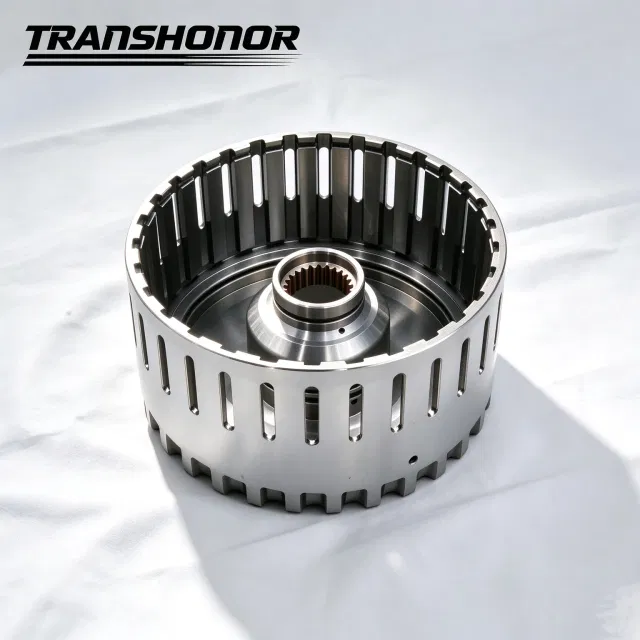
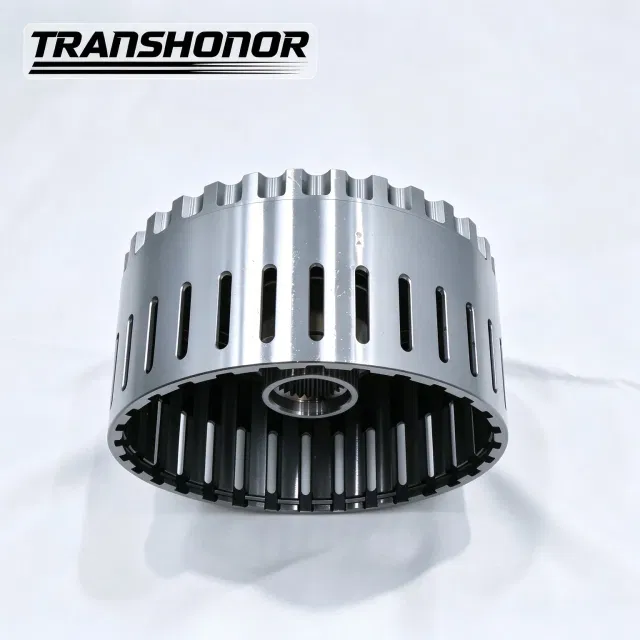
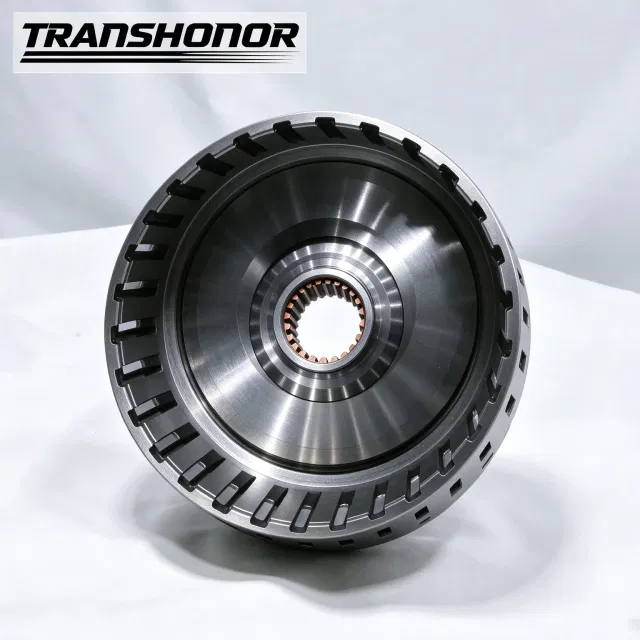
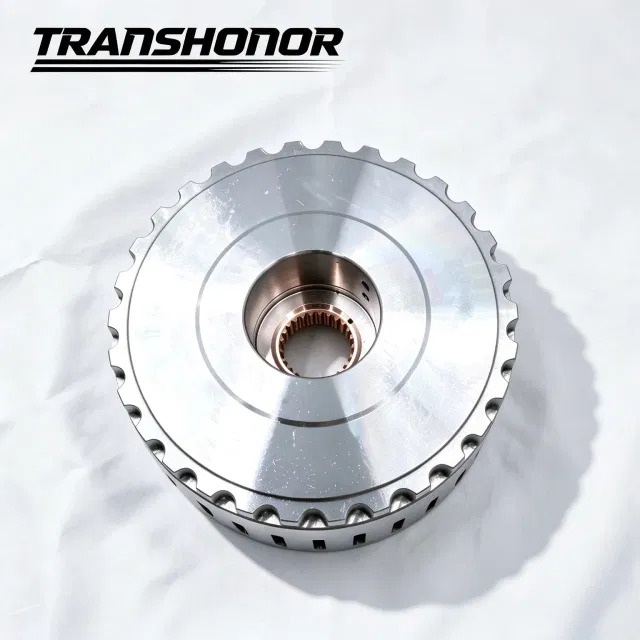
Product Details
Product highlights
Compatible with U540 series automatic transmissions Designed for internal transmission clutch assemblies Works in conjunction with friction plates, steel plates, and piston assemblies Supports automatic transmission repair and overhauling Suitable for procurement by overseas repair shops, wholesalers, and parts distributors
Compatible with U540 series automatic transmissions Designed for internal transmission clutch assemblies Works in conjunction with friction plates, steel plates, and piston assemblies Supports automatic transmission repair and overhauling Suitable for procurement by overseas repair shops, wholesalers, and parts distributors
Common Repairs and Faults
1. Clutch Drum Wear
Long-term operation can cause wear on the internal contact surfaces of the clutch drum, impairing the proper function of the clutch assembly.
2. Damage to Splines or Connection Points
Wear on internal splines and connection points can disrupt power transmission, potentially leading to serious drivetrain malfunctions.
3. Clutch Drum Deformation
Transmission overheating, clutch slippage, or internal mechanical failures can cause the clutch drum to deform or sustain damage.
4. Abnormal Clutch Engagement
Improper fitment or interaction between the clutch drum and the friction plates, steel plates, or pistons can lead to abnormal clutch engagement, resulting in harsh gear shifts or slippage.
5. Reverse Gear Malfunctions
Wear or damage to components associated with the reverse clutch can cause delayed engagement, slippage, or a failure to transmit power in reverse. The specific cause should be determined by inspecting the hydraulic system and other internal components.
Installation and Maintenance Recommendations
Verify the U540/U540E transmission model and part numbers before installation.
Inspect the clutch drum for cracks, deformation, or abnormal wear.
Examine the internal splines and the contact surfaces for the clutch plates.
Check the associated friction plates, steel plates, and piston assemblies.
Verify clutch clearances in accordance with the relevant service manual.
Ensure all components remain clean during installation.
Use an automatic transmission fluid (ATF) that meets the transmission's specifications.