Product Description
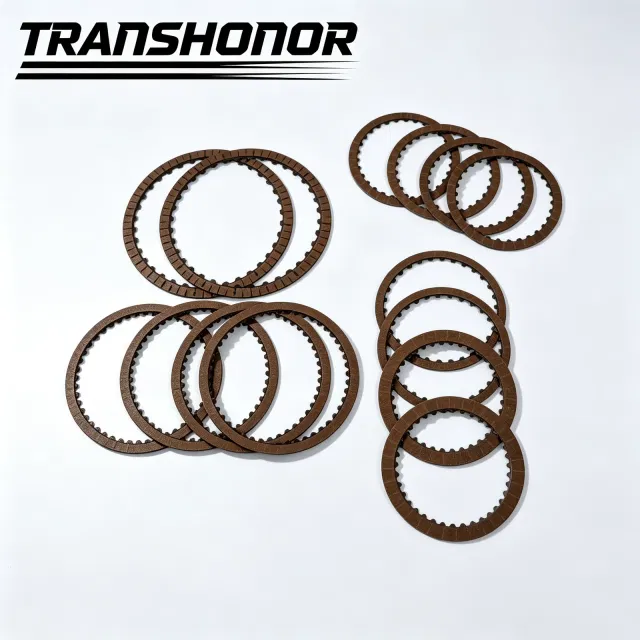
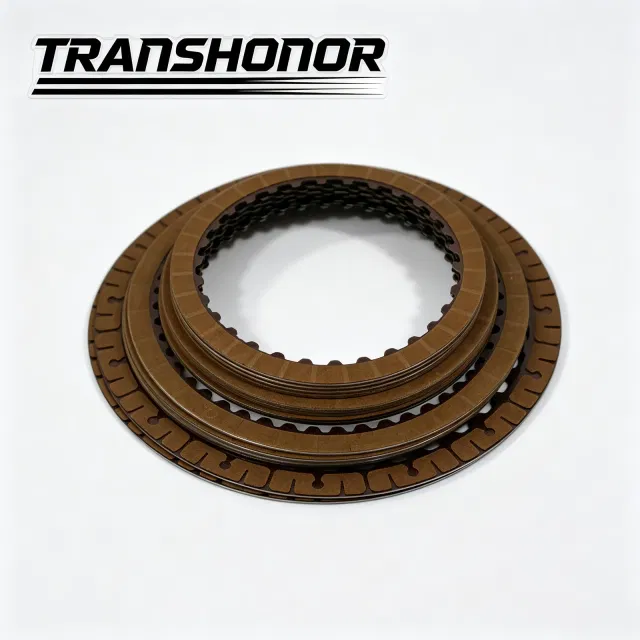
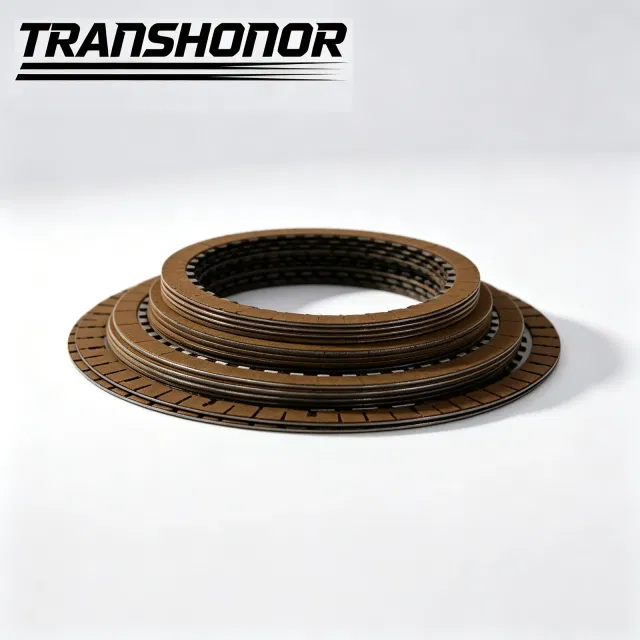
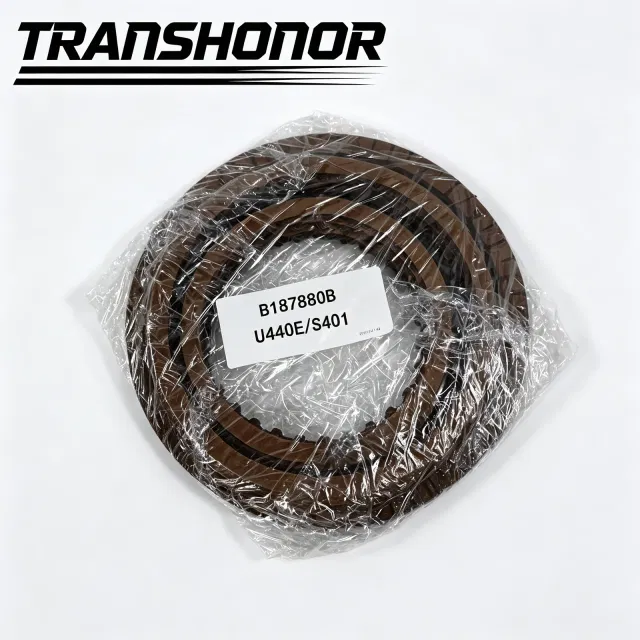
 The U440E S401 B187880B automatic transmission friction plate kit consists of critical friction-based drive components used within the clutches and braking assemblies of an automatic transmission.
Arranged in an alternating sequence with steel plates, these friction plates are compressed by a hydraulic piston to facilitate power transmission, clutch engagement, and gear shifting.
The frictional performance and thickness of these plates directly influence the effectiveness of clutch engagement. Over extended periods of use, the friction material may undergo wear, thermal degradation (scorching), or surface damage; therefore, these components must be inspected and replaced in accordance with transmission repair specifications.
Product Details
Product highlights
For U440E automatic transmission repair Used in automatic transmission clutch and brake assemblies Works in conjunction with steel plates and piston assemblies Facilitates power transmission and gear shifting within the transmission Suitable for repair, overhauling, and component replacement
For U440E automatic transmission repair Used in automatic transmission clutch and brake assemblies Works in conjunction with steel plates and piston assemblies Facilitates power transmission and gear shifting within the transmission Suitable for repair, overhauling, and component replacement
Common Repairs and Faults
1. Friction Disc Wear
Over extended use, the friction material gradually wears down, which can reduce the clutch's engagement capacity and lead to abnormal power transmission.
2. Friction Disc Ablation (Burning)
Excessive transmission fluid temperature, prolonged clutch slippage, or abnormal hydraulic pressure can cause the friction discs to overheat, char, or sustain surface damage.
3. Clutch Slippage
Severe wear or a decline in the frictional performance of the discs can prevent the clutch from transmitting power effectively, resulting in symptoms such as sluggish acceleration or an increase in engine RPM without a corresponding rise in vehicle speed.
4. Harsh Gear Shifting
Issues such as abnormal friction disc condition, incorrect clutch clearance, or faults in the hydraulic control system can cause harsh gear shifts and unsmooth engagement.
5. Abnormal Gear Engagement
Damage to the friction discs can impair the operation of associated clutches or braking components, leading to delayed gear engagement, slippage, or irregular power transmission.
Installation and Maintenance Recommendations
Verify the U440E transmission model and its specific version before installation.
Confirm the product part number (B187880B) and the reference identifier (S401).
Check the quantity, outer diameter, inner diameter, and thickness of the friction discs.
Inspect the mating steel plates for signs of burning, deformation, or scoring.
Check the pistons and seal rings for any leaks.
Verify clutch clearances in accordance with the service manual.
Prepare the friction discs according to service specifications prior to installation.
Use an automatic transmission fluid (ATF) that meets the transmission's requirements.
After assembly, check the hydraulic pressure and gear-shifting performance.
During repairs, it is recommended to inspect the friction discs, steel plates, pistons, and sealing components collectively to prevent the new friction discs from being damaged again due to issues with other parts.