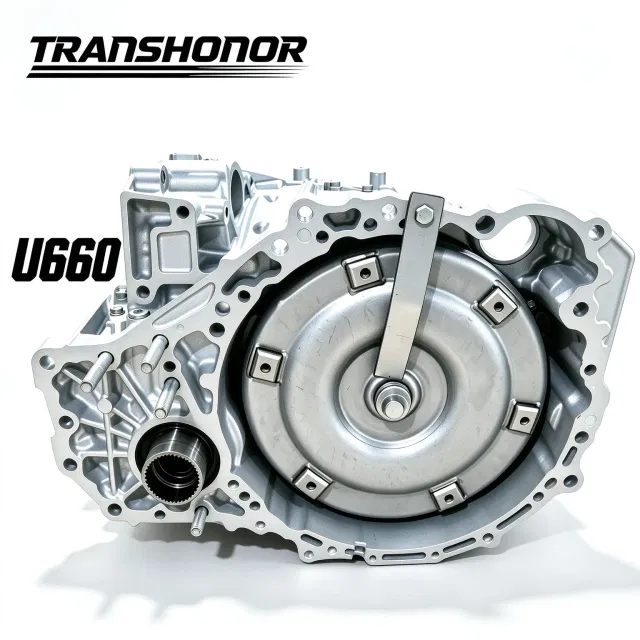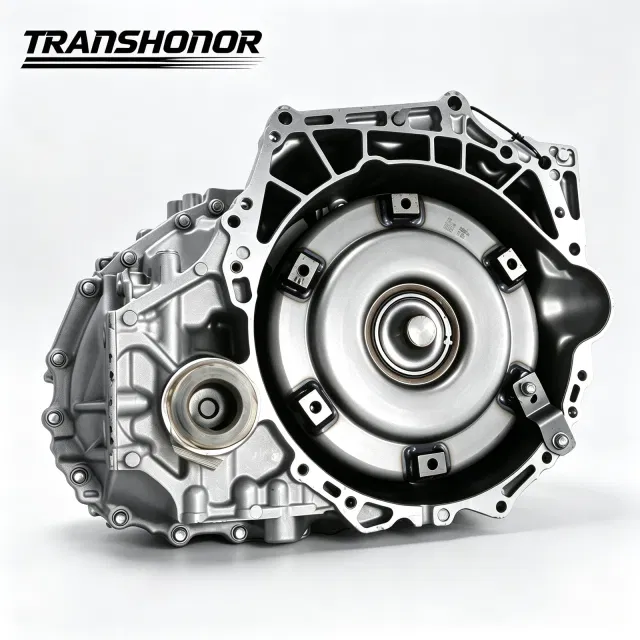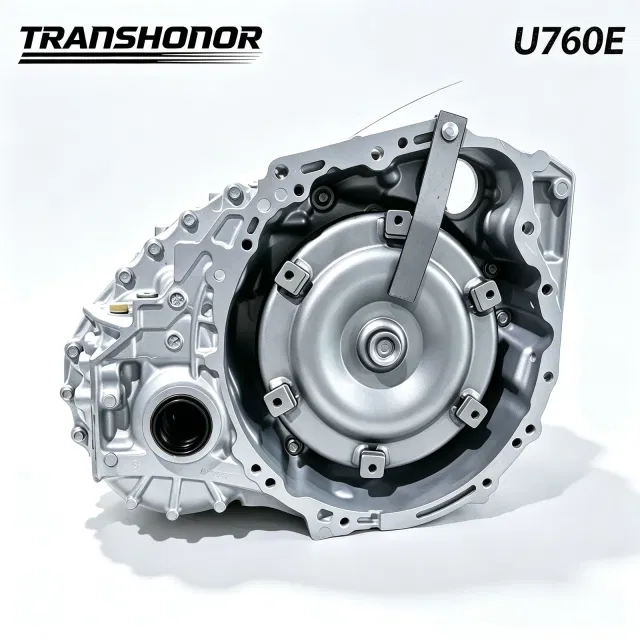
Product Description
 The U241E automatic transmission piston is a critical component of the transmission's internal hydraulic actuation system, primarily responsible for the engagement and disengagement of clutches or brake assemblies.
By utilizing hydraulic pressure, the piston actuates the relevant friction components, facilitating power transmission between different gear ratios. Wear, deformation, or seal failure of the piston can lead to insufficient hydraulic pressure, clutch slippage, and irregular gear shifting.
Hong Ao supplies U241E automatic transmission pistons and related repair components, catering to overseas transmission repair shops, wholesalers, and automotive parts distributors.
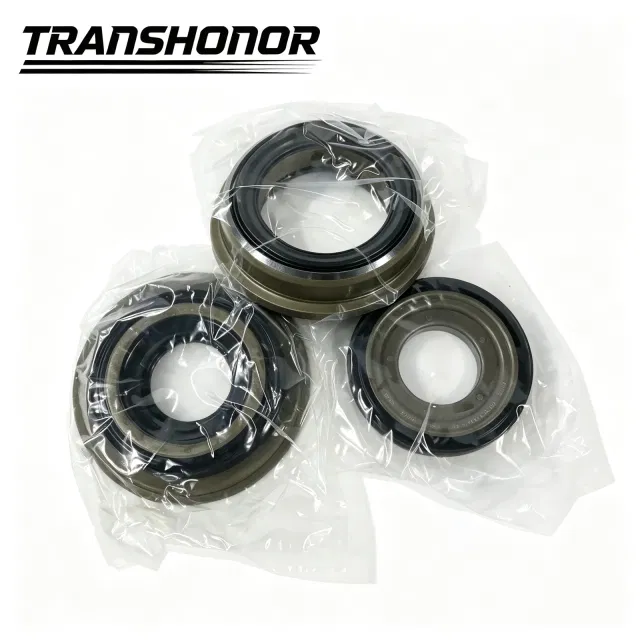
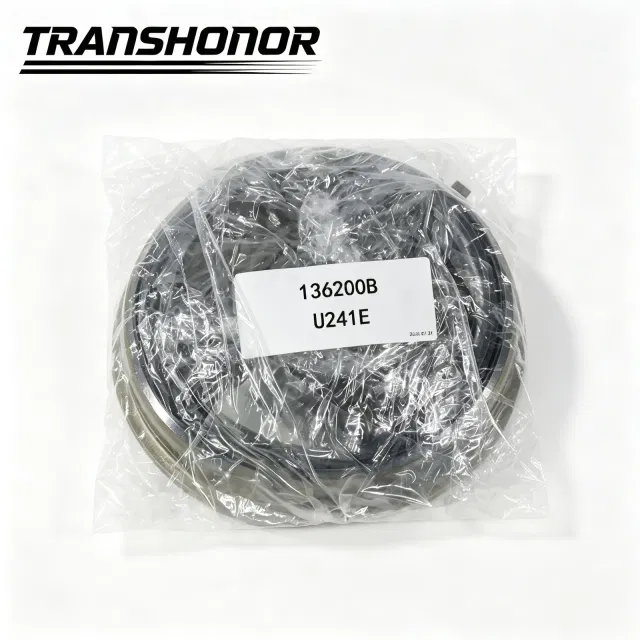
Product Details
Product highlights
For internal repair of U241E automatic transmissions Facilitates the operation of clutch or brake components within the hydraulic system Helps maintain internal hydraulic actuation performance Suitable for transmission repair and overhauling Available for bulk purchase and export supply
For internal repair of U241E automatic transmissions Facilitates the operation of clutch or brake components within the hydraulic system Helps maintain internal hydraulic actuation performance Suitable for transmission repair and overhauling Available for bulk purchase and export supply
Common Repairs and Faults
1. Piston Seal Leakage
Aging or damage to the sealing area may cause a drop in hydraulic pressure.
2. Slippage During Gear Shifts
Insufficient actuation pressure on the piston may lead to incomplete engagement of clutch or brake components.
3. Delayed Gear Engagement
Abnormal hydraulic pressure buildup may result in a delay when engaging Drive (D) or Reverse (R) gears.
4. Harsh Gear Shifts (Shift Shock)
Abnormal piston movement or unstable hydraulic pressure may cause jerking or harshness during gear shifts.
5. Abnormal Clutch Operation
Piston wear, deformation, or seal failure may interfere with the proper engagement of the clutch.
8. Installation and Maintenance Recommendations
Before installation, verify the U241E transmission version and the piston part number.
Inspect the piston surface for signs of wear, cracks, or deformation.
Examine the piston seal rings and their corresponding installation grooves.
Check the piston cylinder bore for any scratches or scoring.
Take care to avoid damaging the sealing areas during installation.
Check hydraulic pressure and the operating status of all components in accordance with the service manual.