Product Description
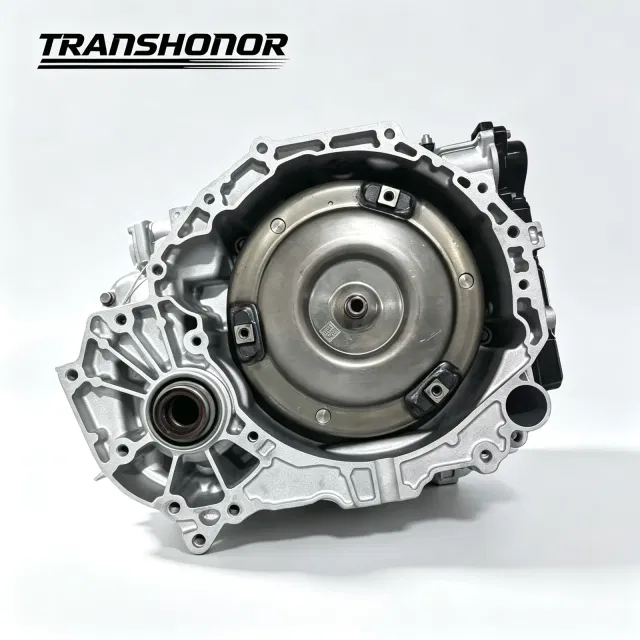
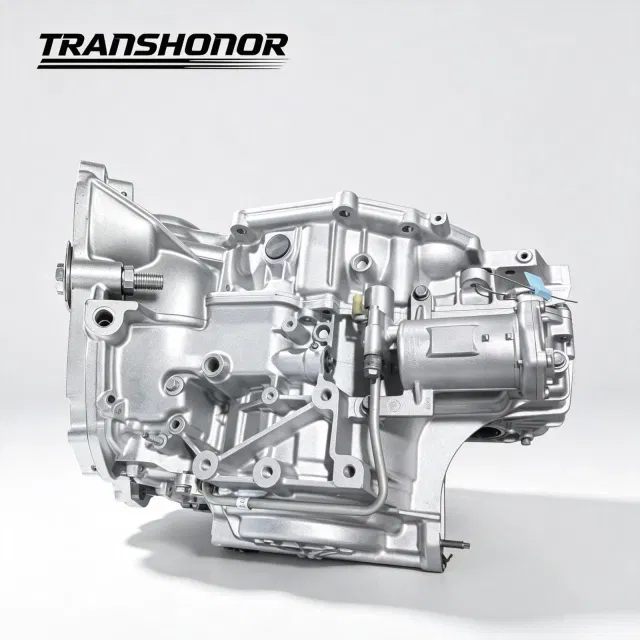
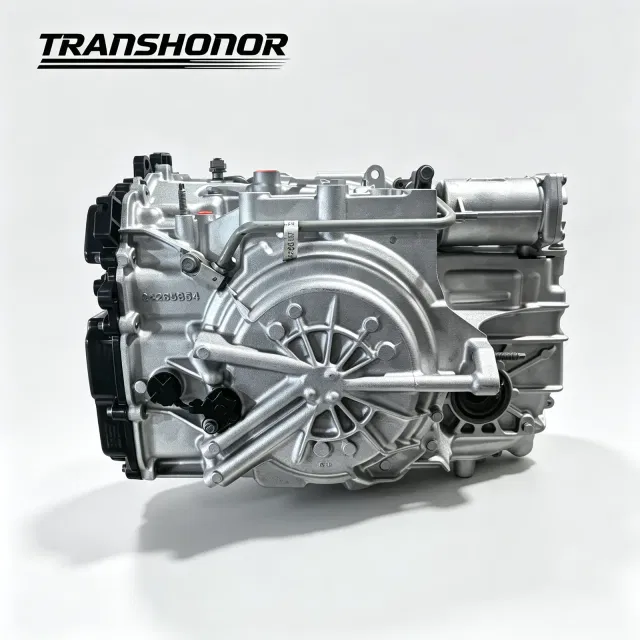
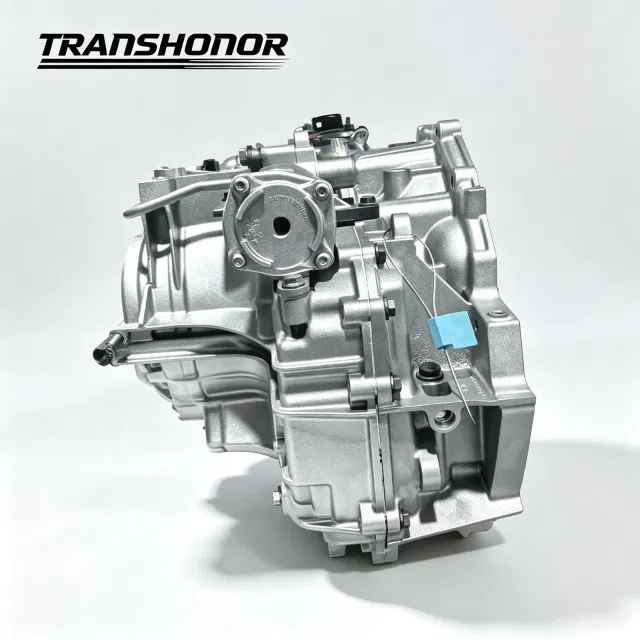
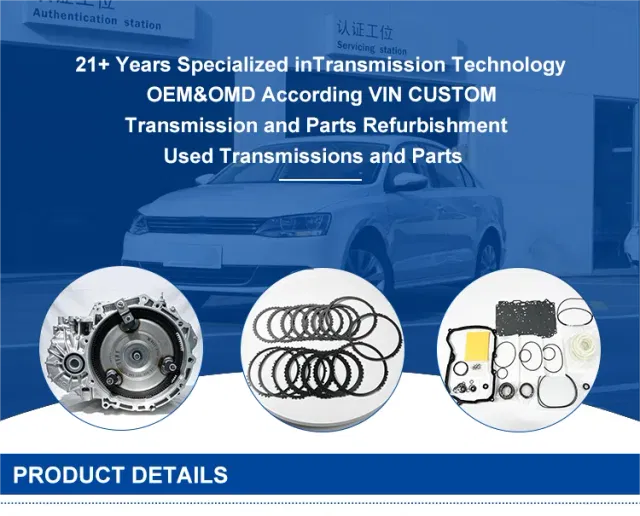 The Buick GL8 2.0T 6T41 is a six-speed automatic transmission from General Motors. It utilizes a torque converter and a planetary gear train, with gear shifting managed by an electro-hydraulic control system.
The transmission assembly primarily consists of a torque converter, oil pump, valve body, planetary gear sets, clutch assemblies, brake components, and a hydraulic control system.
Hong Ao supplies automatic transmission assemblies and related repair components to overseas auto repair shops, transmission remanufacturing facilities, wholesalers, and automotive parts distributors.
Product Details
Product highlights
Six-speed automatic shifting: Features six forward gears to meet power requirements across various vehicle speeds. Torque converter: Enhances power delivery during vehicle start-up and low-speed operation. Electro-hydraulic control: Coordinates gear shifts through a combination of electronic and hydraulic systems. Planetary gear set: Facilitates power transmission and gear ratio adjustments for different gears. Aftermarket parts support: Available components include friction plates, steel plates, pistons, seal kits, valve bodies, oil pumps, and other related parts.
Six-speed automatic shifting: Features six forward gears to meet power requirements across various vehicle speeds. Torque converter: Enhances power delivery during vehicle start-up and low-speed operation. Electro-hydraulic control: Coordinates gear shifts through a combination of electronic and hydraulic systems. Planetary gear set: Facilitates power transmission and gear ratio adjustments for different gears. Aftermarket parts support: Available components include friction plates, steel plates, pistons, seal kits, valve bodies, oil pumps, and other related parts.
Common Repairs and Faults
1. Shifting Jerkiness
Noticeable jolts or impacts during gear shifts (e.g., 1–2, 2–3, or other transitions) may be related to issues with valve body oil pressure control, solenoid valves, or clutch wear.
2. Transmission Slippage
Engine RPM increases, but the vehicle fails to accelerate effectively; this may be caused by worn friction plates, insufficient clutch pressure, or hydraulic system irregularities.
3. Delayed Gear Engagement
A noticeable delay between shifting into "D" (Drive) or "R" (Reverse) and the vehicle actually engaging power may indicate issues with the oil pump, valve body, seals, or hydraulic pressure.
4. Abnormal Transmission Noise
Humming, grinding, or other mechanical noises while driving suggest the need to inspect bearings, the planetary gear set, the oil pump, and internal transmission components.
5. Transmission Overheating
This may be caused by low transmission fluid levels, a malfunctioning cooling system, blocked oil passages, or wear on internal friction components.
6. Inability to Operate
This may involve failures in the clutch assembly, hydraulic control system, valve body, solenoid valves, or internal mechanical parts; professional diagnostic testing is required.
8. Installation and Maintenance Recommendations
Verify the transmission model, nameplate, and OEM part number before installation.
Inspect the connection point between the engine and the transmission, as well as the mounting brackets.
Check the condition of the torque converter, oil pump, and input shaft connections.
Use automatic transmission fluid (ATF) that meets the specific requirements for the transmission model.
After installation, check the fluid level and oil pressure in accordance with the service manual.
Use professional diagnostic equipment to read fault codes and conduct a road test.
Regularly check the condition of the transmission fluid and promptly address any leaks.
