
Product Description
 An automatic transmission brake band is an internal friction-based braking component. Through a hydraulic actuation system, it controls the engagement or release of the band against specific rotating parts, thereby enabling the braking of certain transmission mechanisms and facilitating gear control.
During prolonged operation, brake bands are subjected to friction, high temperatures, and hydraulic pressure, which can lead to issues such as wear or ablation of the friction material, or a reduction in braking force.
Hong Ao offers brake bands and repair components for TF70, TF72, and TF80 series automatic transmissions, catering to overseas transmission repair shops, wholesalers, and automotive parts distributors.
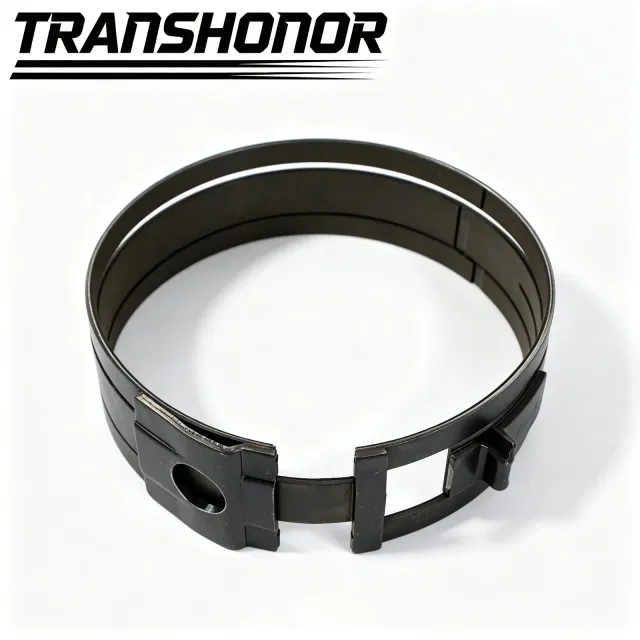
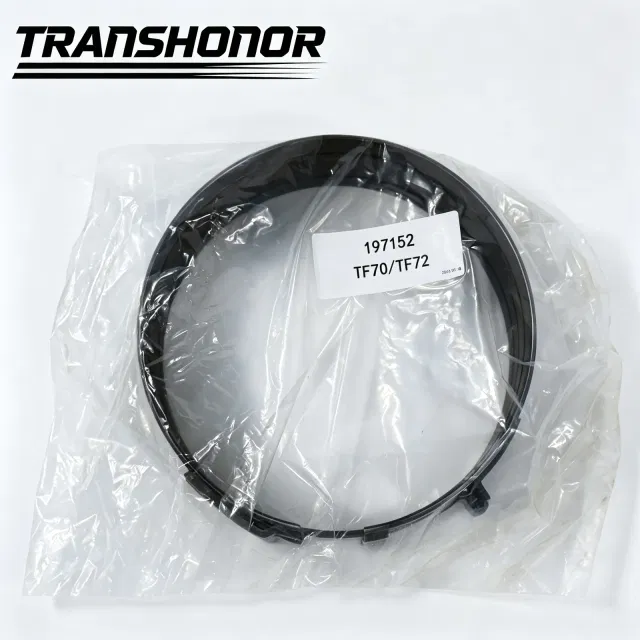
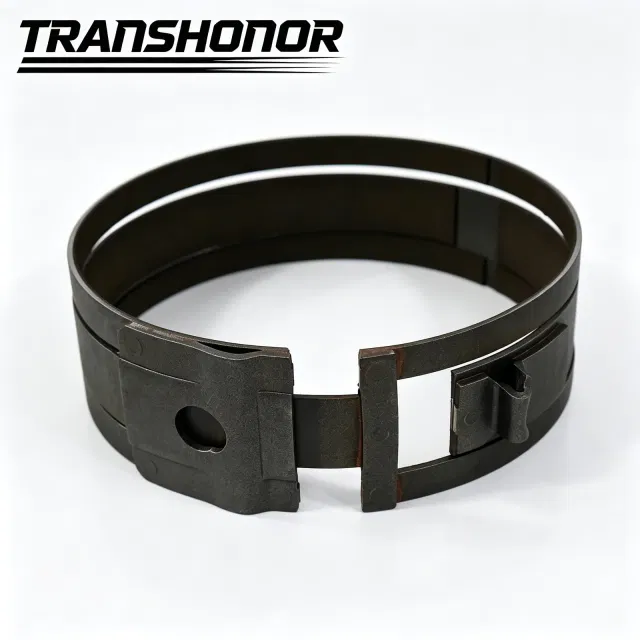
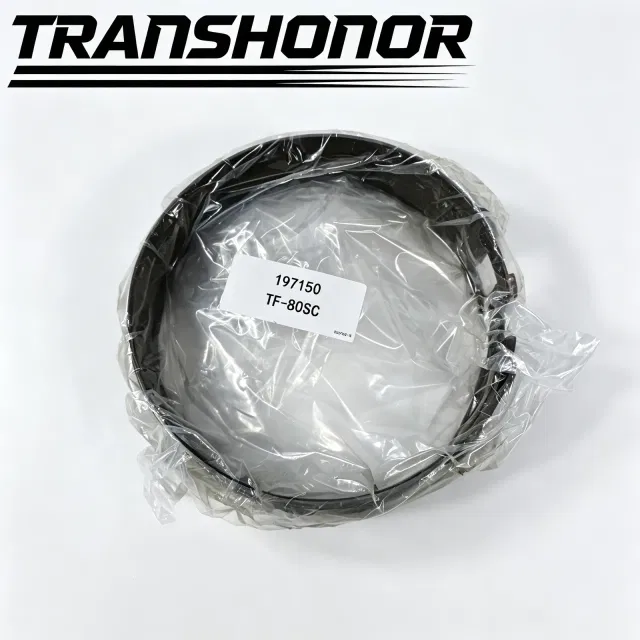
Product Details
Product highlights
For the repair of internal braking components in automatic transmissions Facilitates the braking of relevant drivetrain components through friction Suitable for transmission repair and overhauling Designed for professional repair shops and parts wholesalers Available for bulk purchasing and export supply
For the repair of internal braking components in automatic transmissions Facilitates the braking of relevant drivetrain components through friction Suitable for transmission repair and overhauling Designed for professional repair shops and parts wholesalers Available for bulk purchasing and export supply
Common Repairs and Faults
1. Brake Band Wear
Prolonged friction can cause the friction material to wear down, compromising braking performance.
2. Brake Band Ablation (Thermal Damage)
Excessively high transmission fluid temperature or abnormal hydraulic pressure can cause the friction material to overheat and sustain damage.
3. Insufficient Braking Force
Worn brake bands or malfunctions in the actuating mechanism can lead to inadequate braking of internal transmission components.
4. Abnormal Shifting
Improper engagement or release of the brake components can interfere with gear shifting.
5. Unusual Internal Transmission Noise
Abnormal wear on the brake band or related components can result in irregular friction and audible noise.
8. Installation and Maintenance Recommendations
Verify the specific transmission model (TF70, TF72, or TF80) before installation.
Confirm the dimensions of the brake band—length, width, and thickness—as well as the specifications of the friction material.
Inspect the surface of the brake drum for signs of ablation (thermal damage), scoring, or deformation.
Examine the brake band actuating mechanism and the hydraulic system.
Adjust the installation clearance in accordance with the service manual.
Check the condition of the transmission fluid and the cooling system.
Perform a gear-shift check and a road test after installation.
