
Product Description
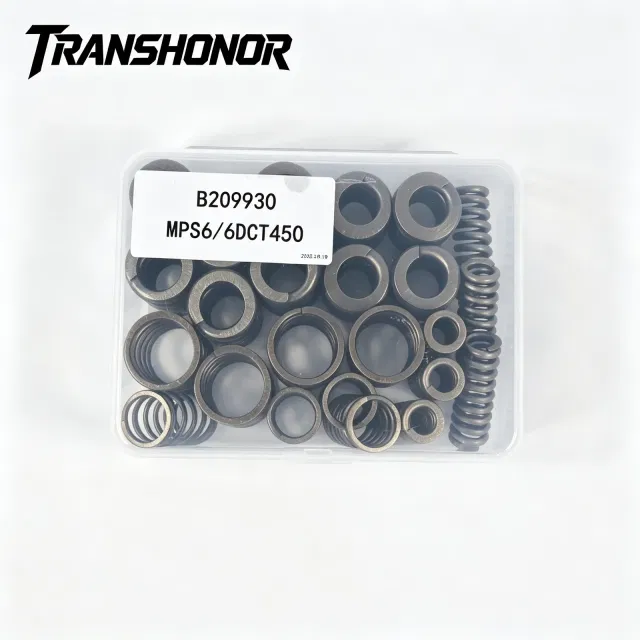
 The MPS6 6DCT450 B209930 clutch spring and retaining ring repair kit is designed for the maintenance of internal clutch assemblies in wet dual-clutch transmissions. It is primarily used for the inspection and replacement of springs, retaining rings, and related securing components, ensuring that the clutch assembly remains properly installed and firmly held in place.
This kit is suitable for the repair, refurbishment, and maintenance of MPS6 / 6DCT450 dual-clutch transmissions and their clutch assemblies.
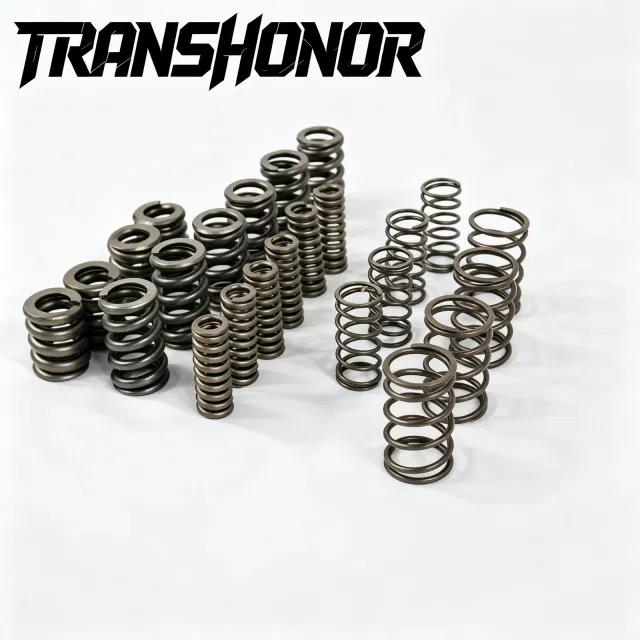
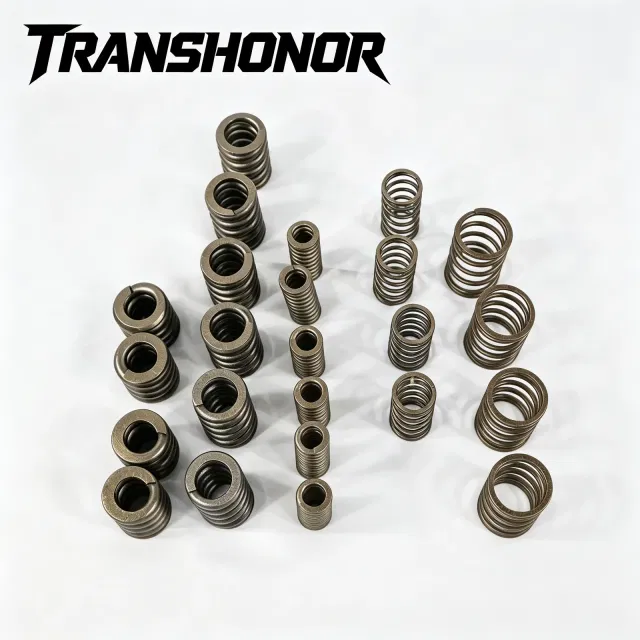
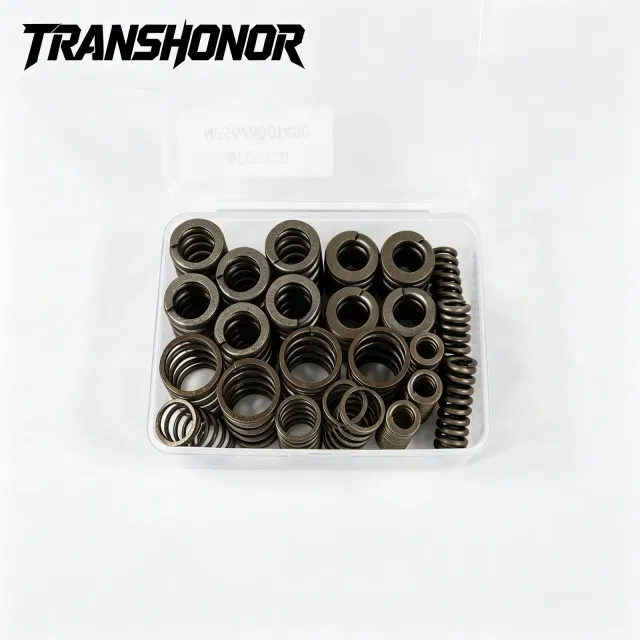
Product Details
Product highlights
Suitable for MPS6/6DCT450 wet dual clutch transmission Used for clutch internal spring and circlip repair Cooperate with the clutch assembly to complete the fixation of related parts Suitable for gearbox disassembly, repair and refurbishment Support bulk purchasing and export supply
Suitable for MPS6/6DCT450 wet dual clutch transmission Used for clutch internal spring and circlip repair Cooperate with the clutch assembly to complete the fixation of related parts Suitable for gearbox disassembly, repair and refurbishment Support bulk purchasing and export supply
Common Maintenance and Fault Scenarios
After prolonged operation, the internal springs and retaining rings (circlips) within the clutch may experience fatigue, deformation, loosening, or damage, which can compromise the secure positioning and proper functioning of the clutch assembly.
Common issues to check for include:
Spring fatigue, deformation, or fracture
Loosening, deformation, or damage to retaining rings
Improper securing of internal clutch components
Unstable clutch engagement or disengagement
Jerky gear shifts or irregular power transmission
Abnormal noise originating from within the clutch assembly
These symptoms may also be caused by faults in the friction plates, steel plates, pistons, or the hydraulic control system; a thorough inspection upon disassembly is required to determine the exact cause.
Installation and Maintenance Recommendations
Verify the part number (B209930) and the contents of the kit prior to installation.
Inspect the clutch springs for signs of fatigue, deformation, or fracture.
Check the retaining ring grooves and other mounting points for wear.
Install the springs and retaining rings following the manufacturer’s specified orientation and sequence.
Ensure that each retaining ring is fully seated within its designated groove.
Examine the condition of the clutch friction components and pistons.
Perform necessary operational tests after assembly is complete.
